Flavor
Acidity, fruit notes, bitterness, and body start here.
If a cup seemed unusually bright, fruity, bitter, or heavy, begin with the sensation itself. These guides connect what you taste with roasting, extraction, processing, origin, and freshness.
Foundation
- Flavor and Practical Questions You are here
Core
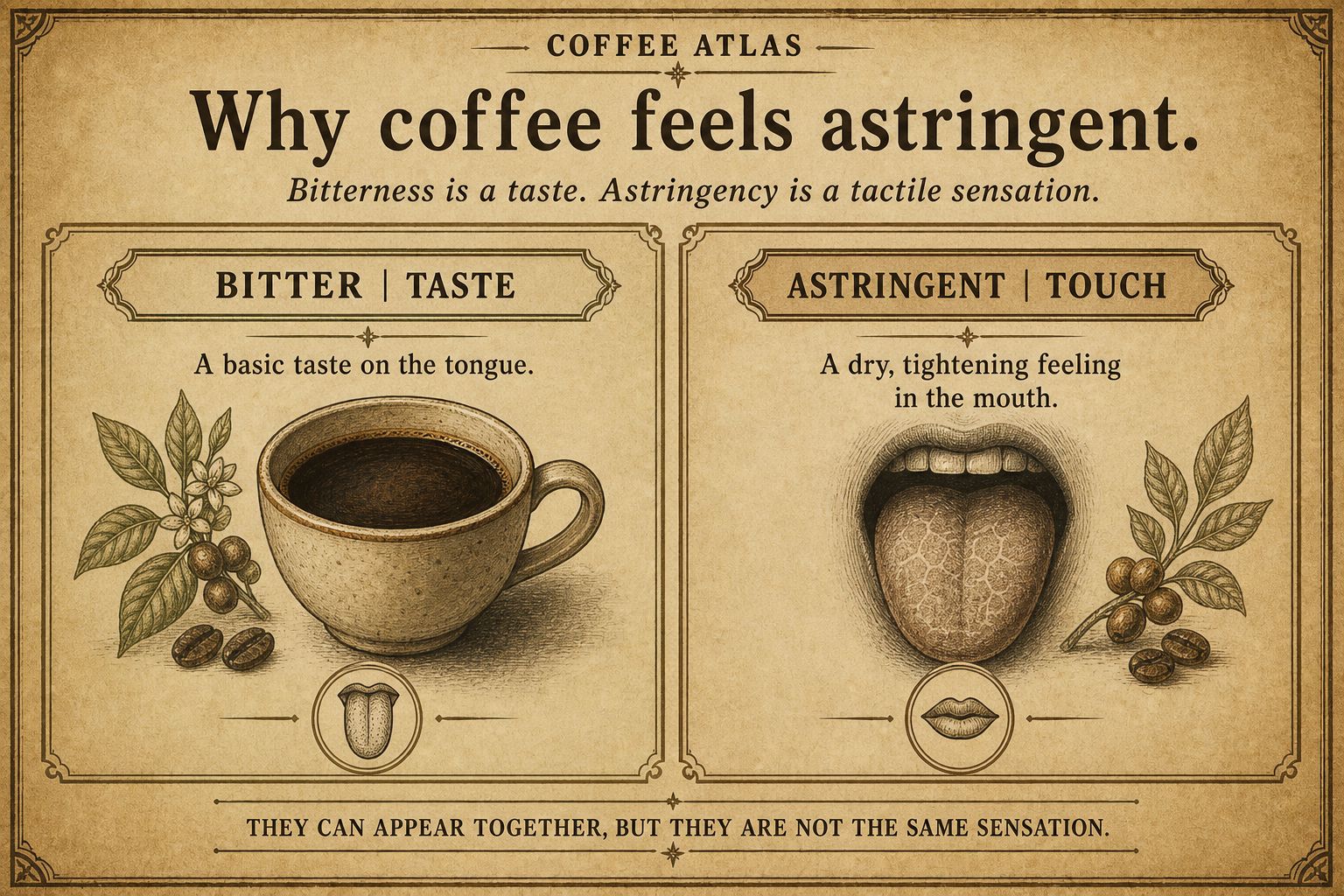
- Why Coffee Feels Astringent Separate drying mouthfeel from bitterness, and see how brewing and ripeness can change it.
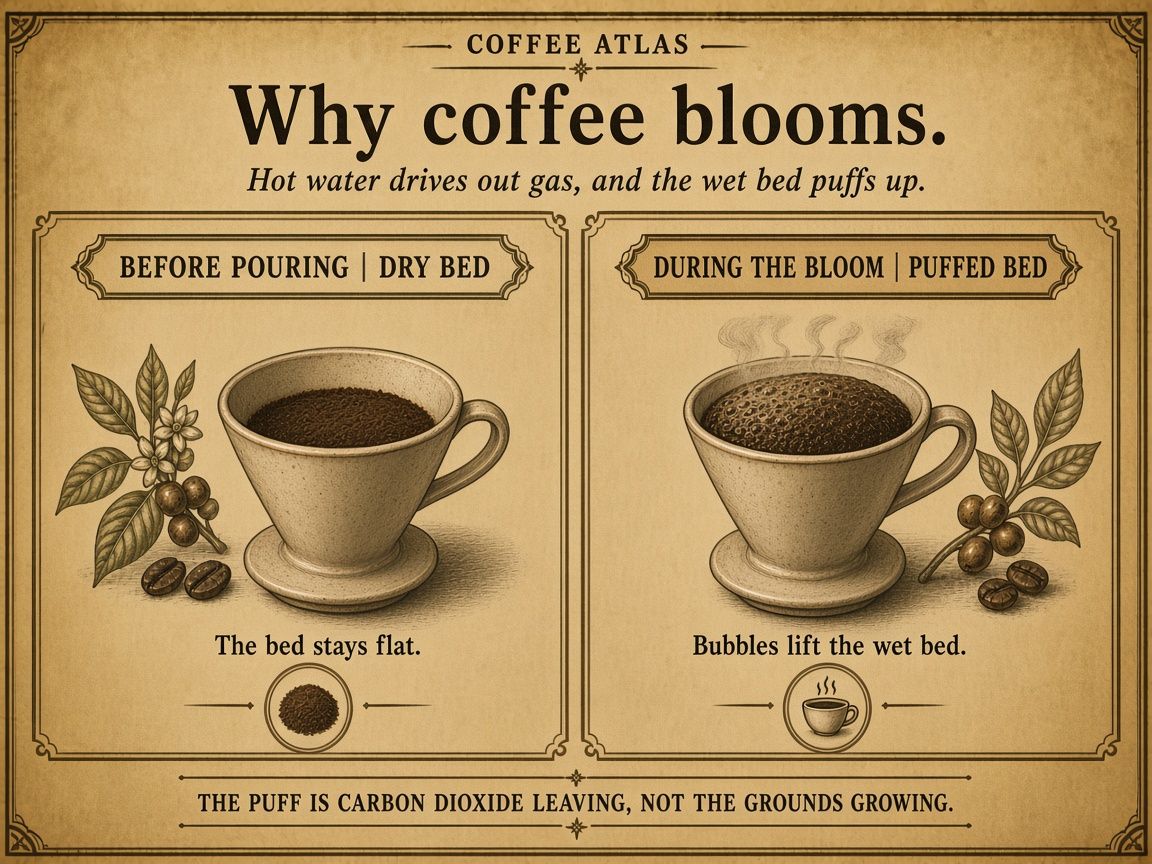
- Why Coffee Blooms See why the bed puffs up, and what a big bloom can and cannot tell you.
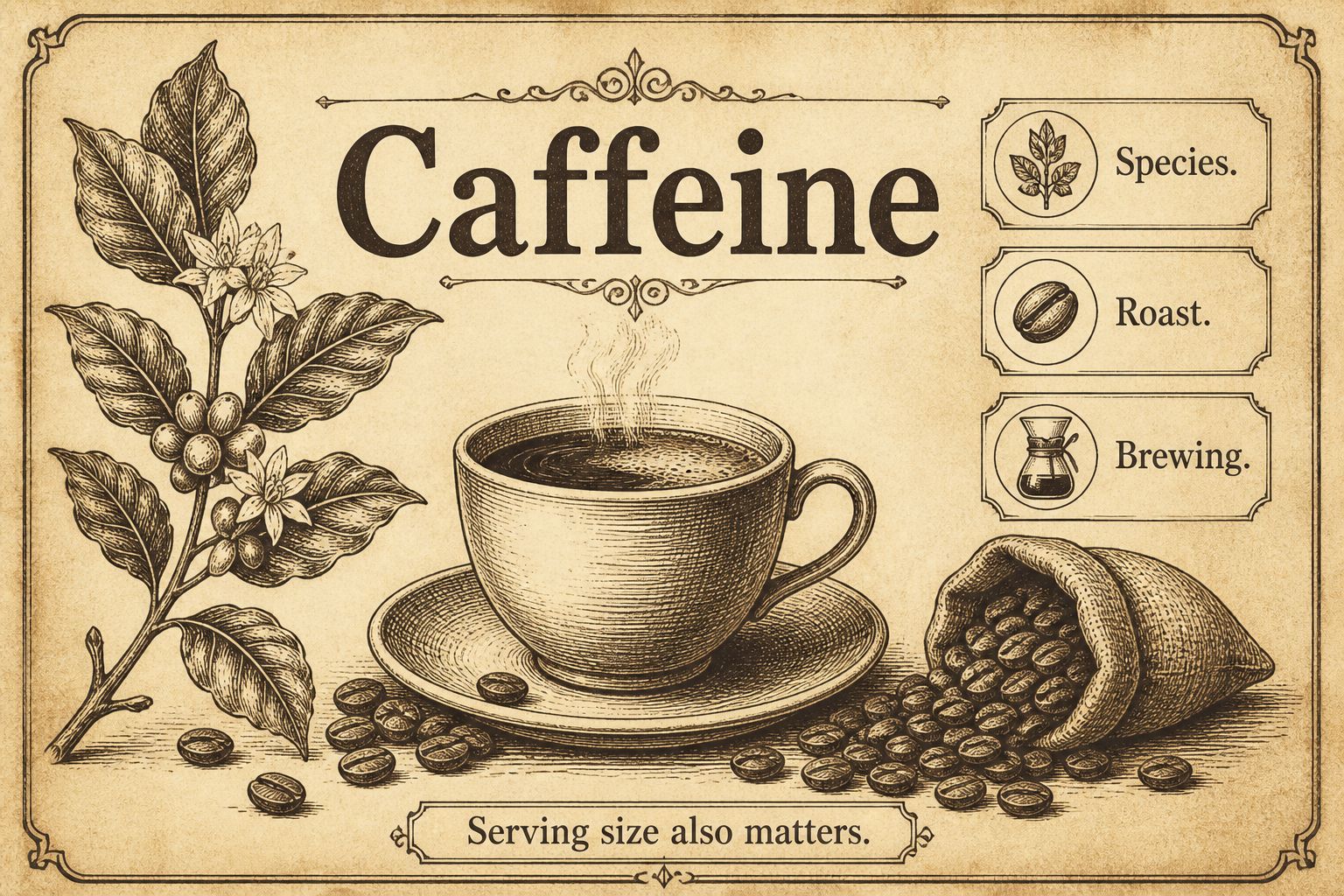
- Caffeine in Coffee Look beyond roast level to species, coffee dose, brewing, and serving size.
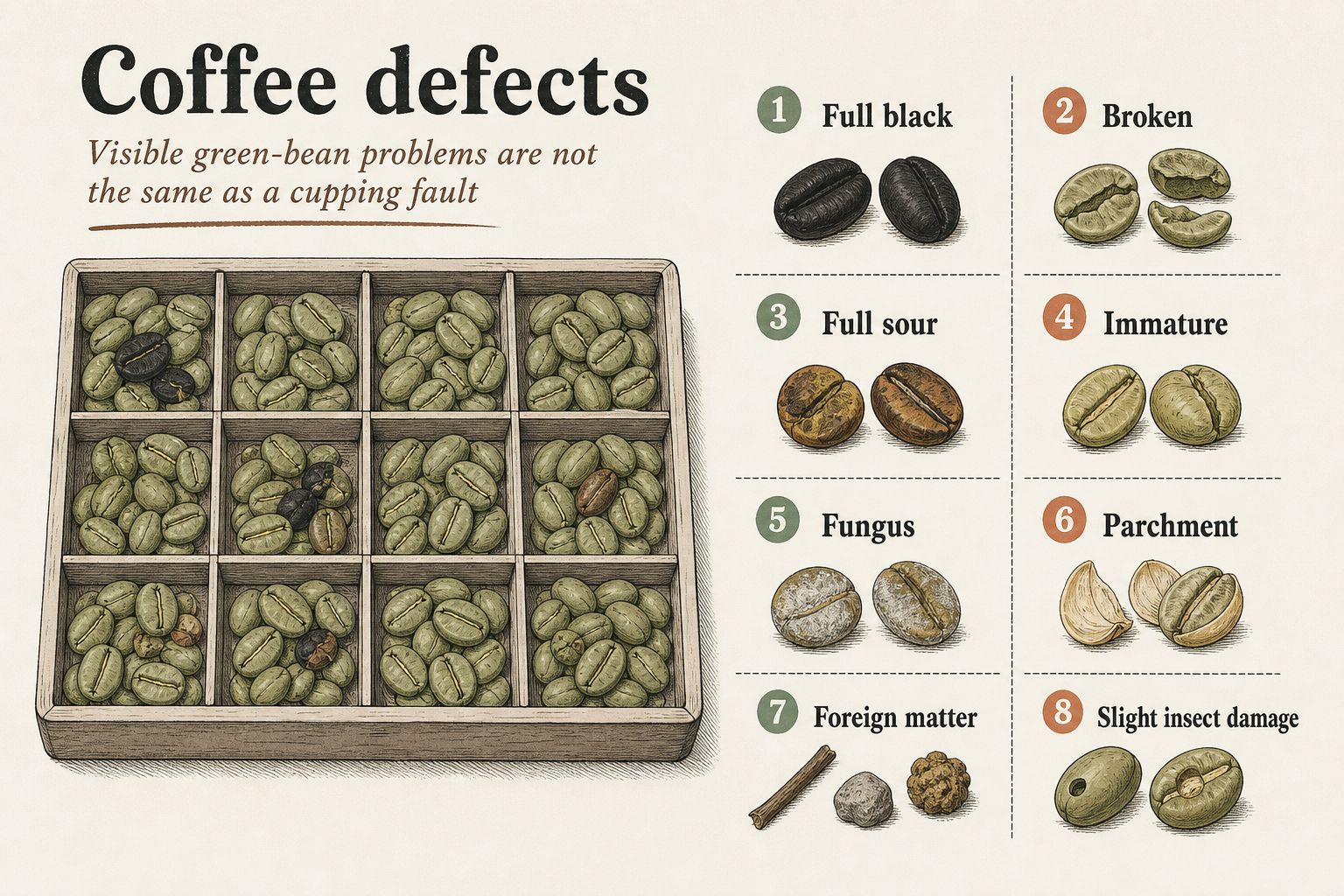
- Coffee Defects Understand the difference between visible bean defects and faults detected in cupping.
- Nitro Coffee Learn how nitrogen-infused coffee drinks differ from coffee beans packaged with nitrogen.
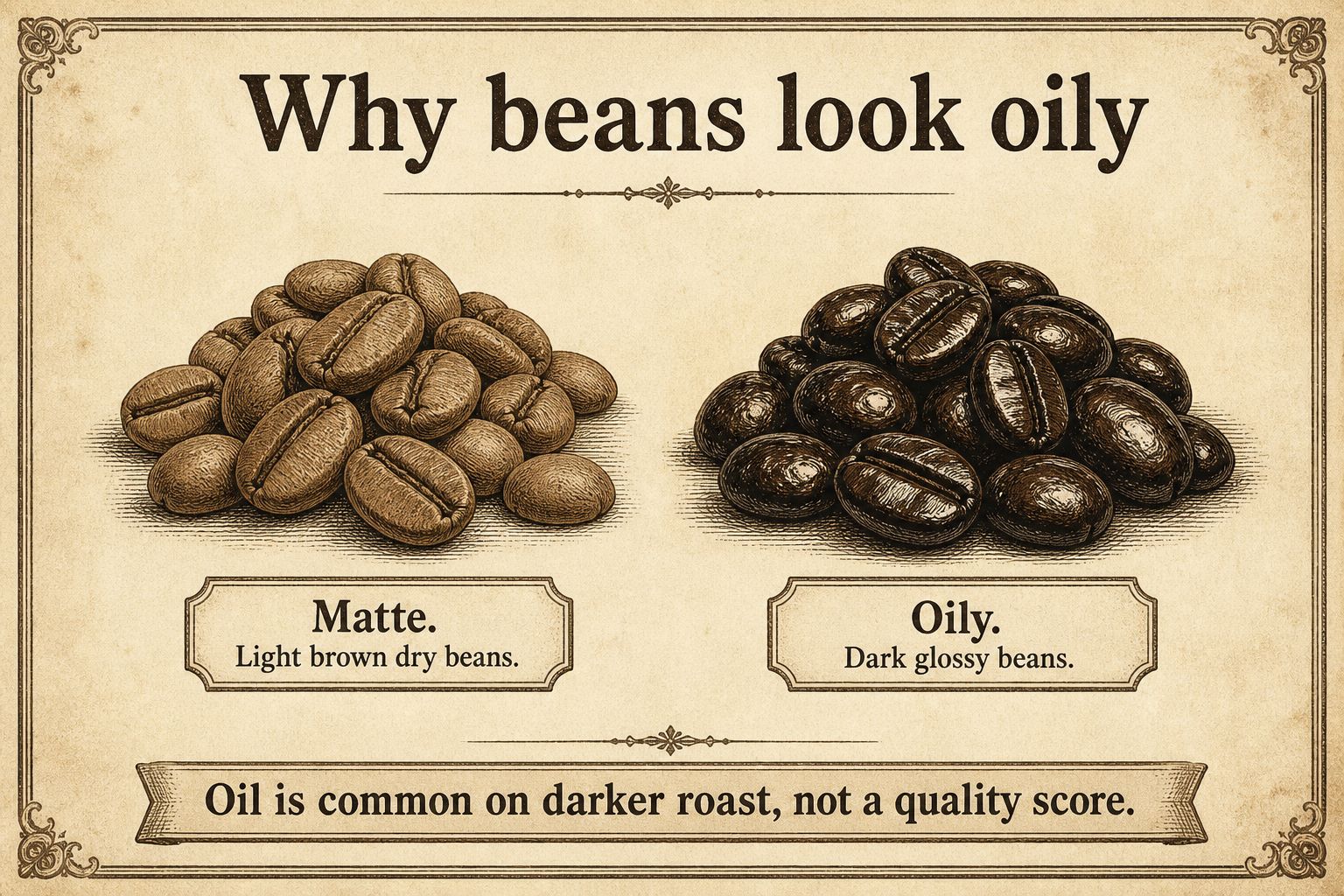
- Oily Coffee Beans Surface shine usually points to roast development, not automatic spoilage.
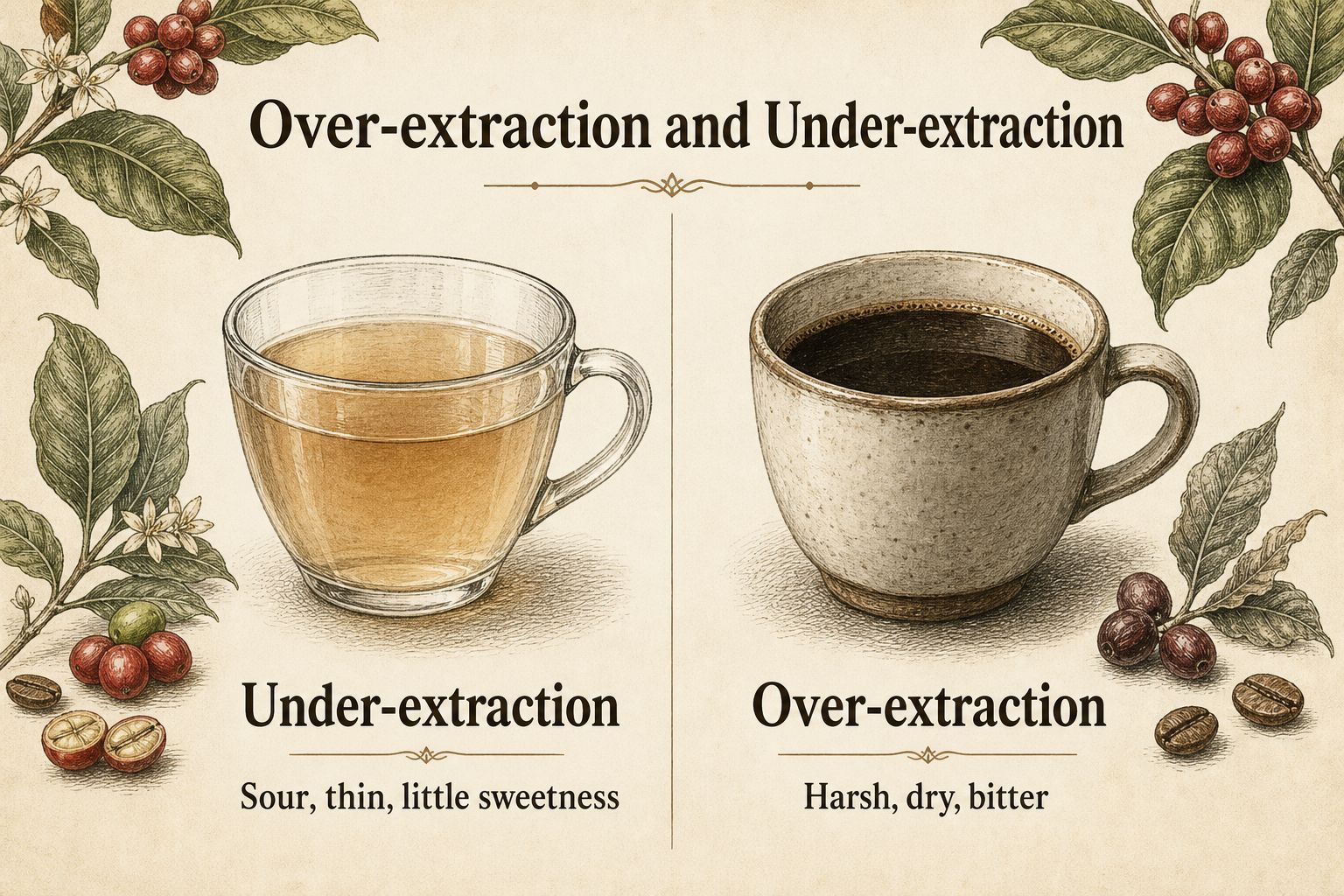
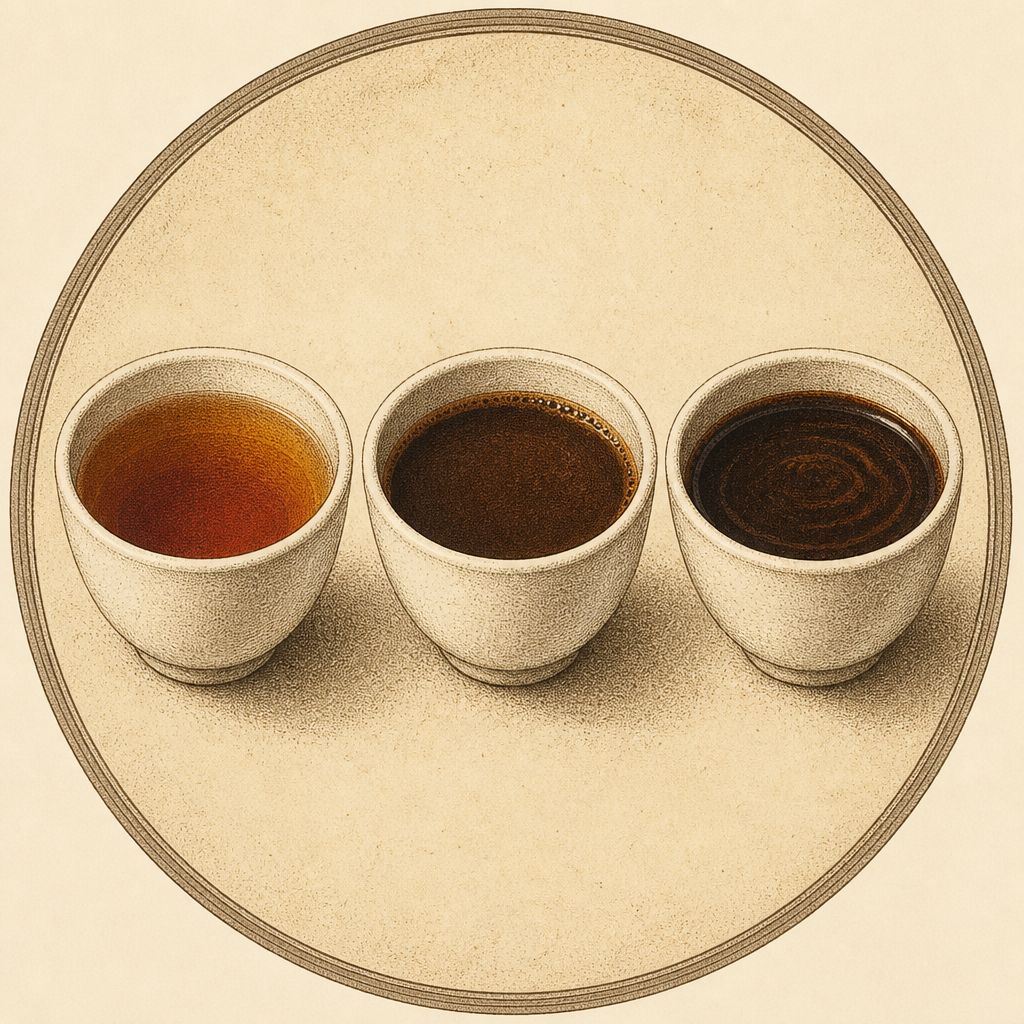
- Over-extraction and Under-extraction Sour and bitter cups are not always extraction problems.
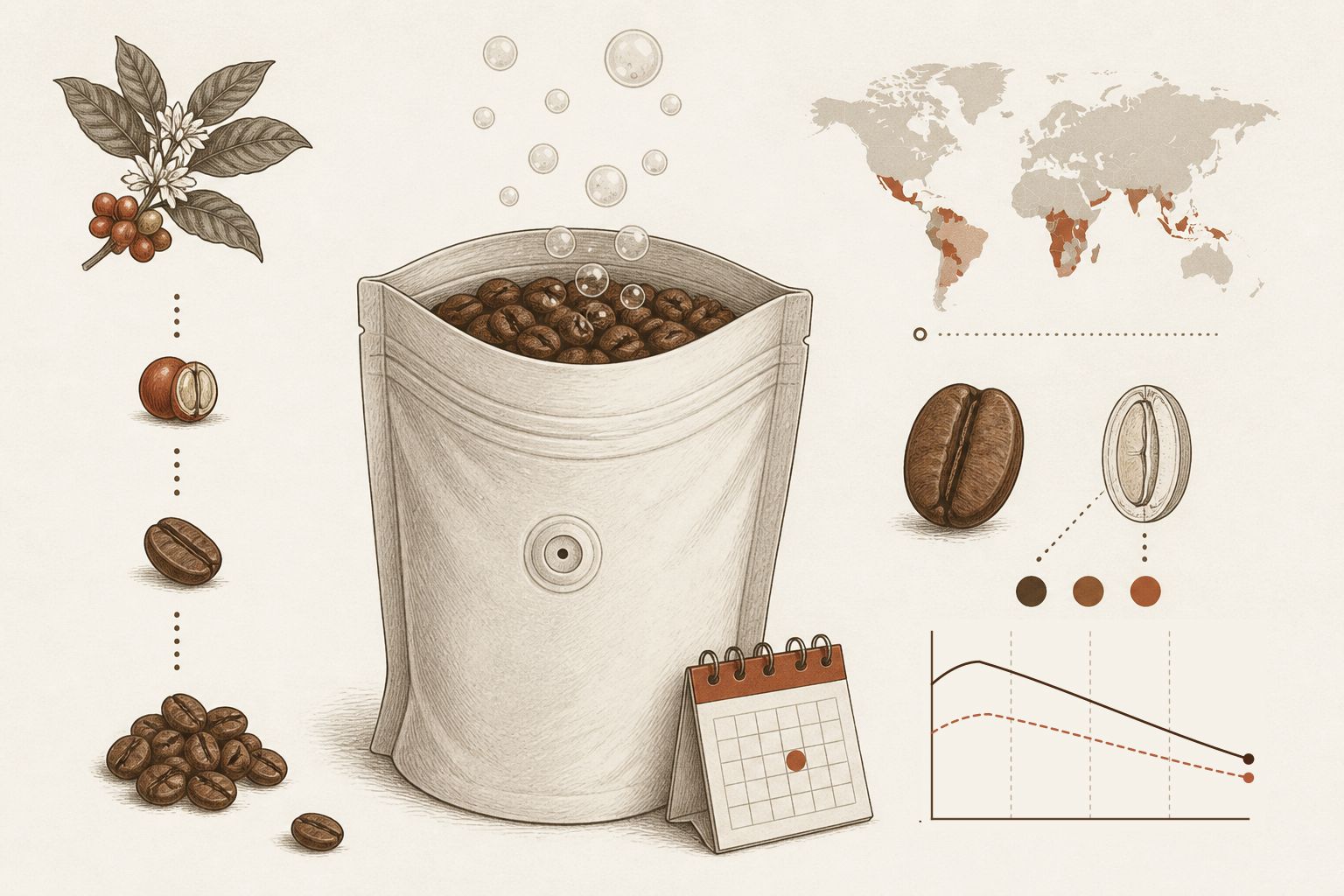
- Resting Coffee Learn what degassing changes and why there is no universal number of days.
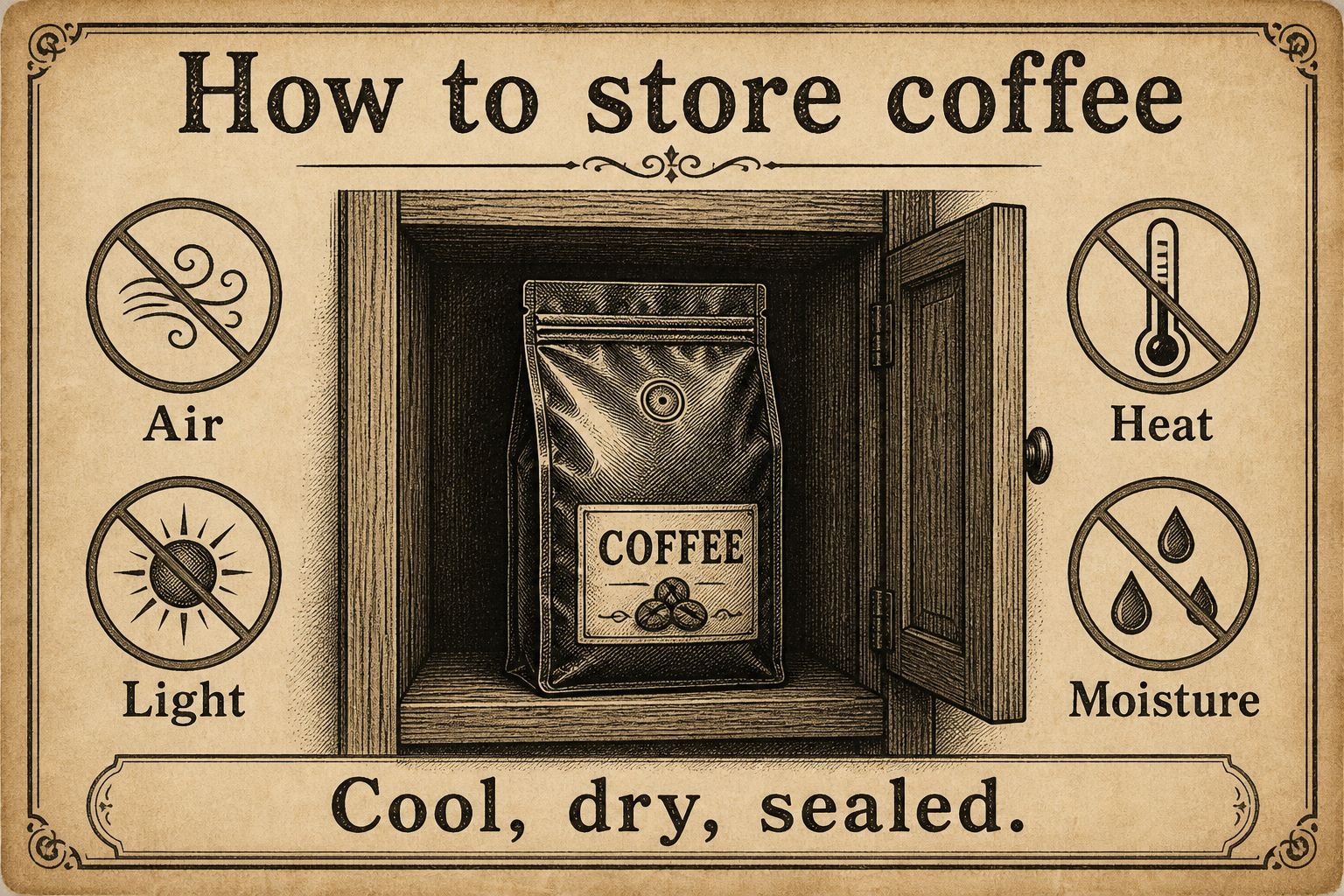
- Storing Coffee Beans Store daily coffee in a cool, dark cabinet, or freeze sealed portions for longer storage.
- Coffee Body / Mouthfeel Learn to separate physical texture from flavor intensity and preference.
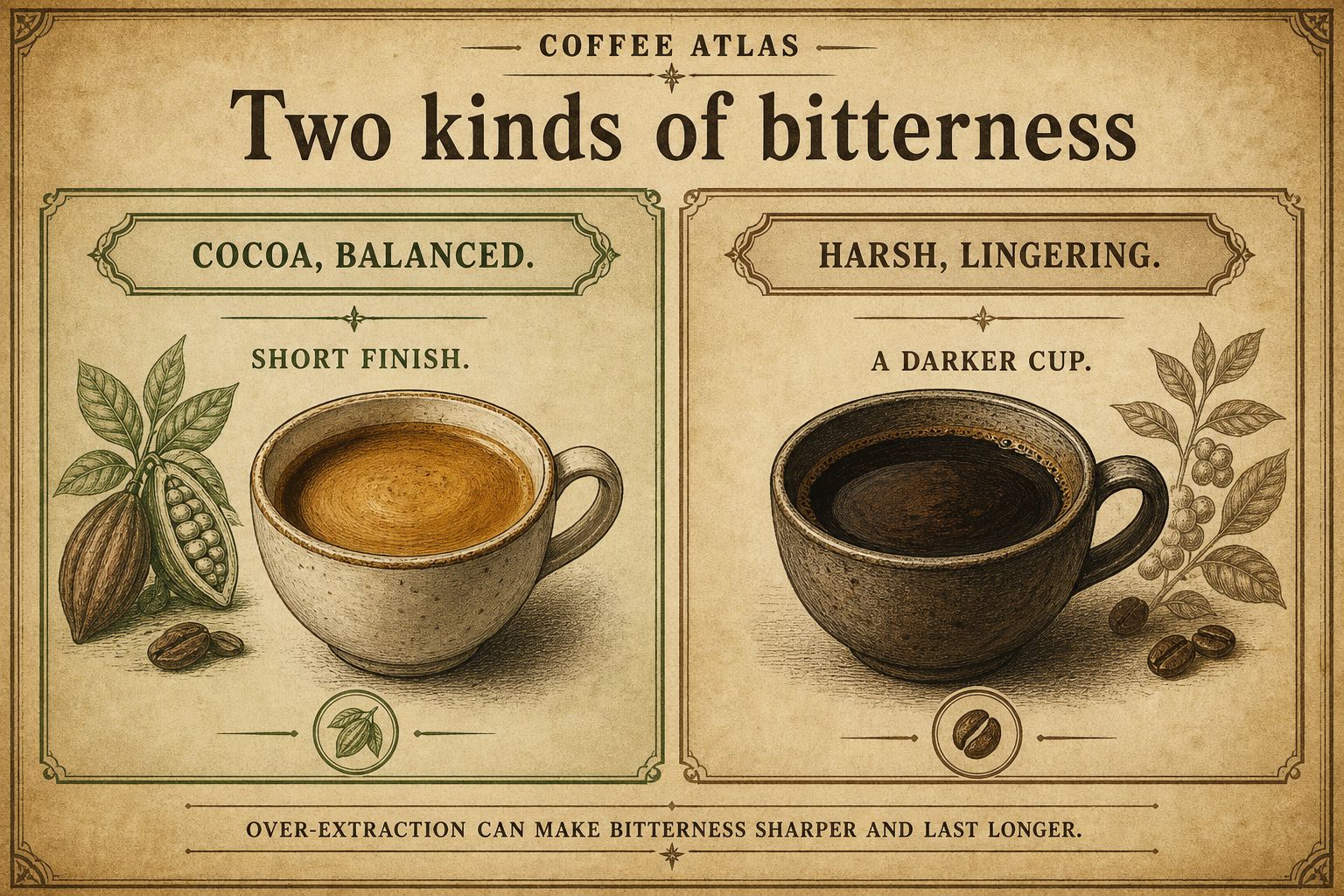
- Why Coffee Tastes Bitter Separate useful cocoa-like bitterness from harsh roast or extraction character.
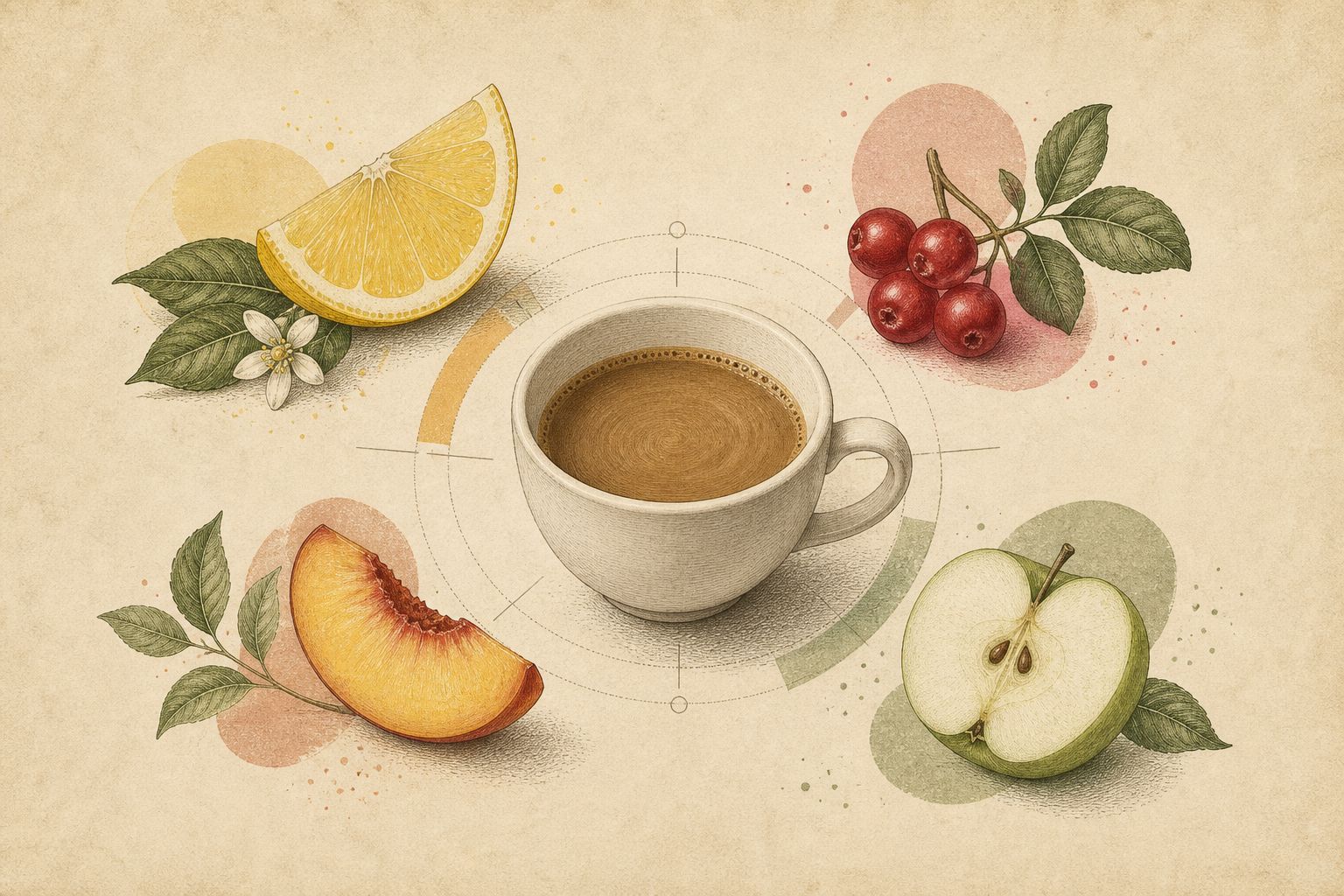
- Fruity and Acidic Coffee Learn where fruit comparisons come from and how bright acidity differs from defects.
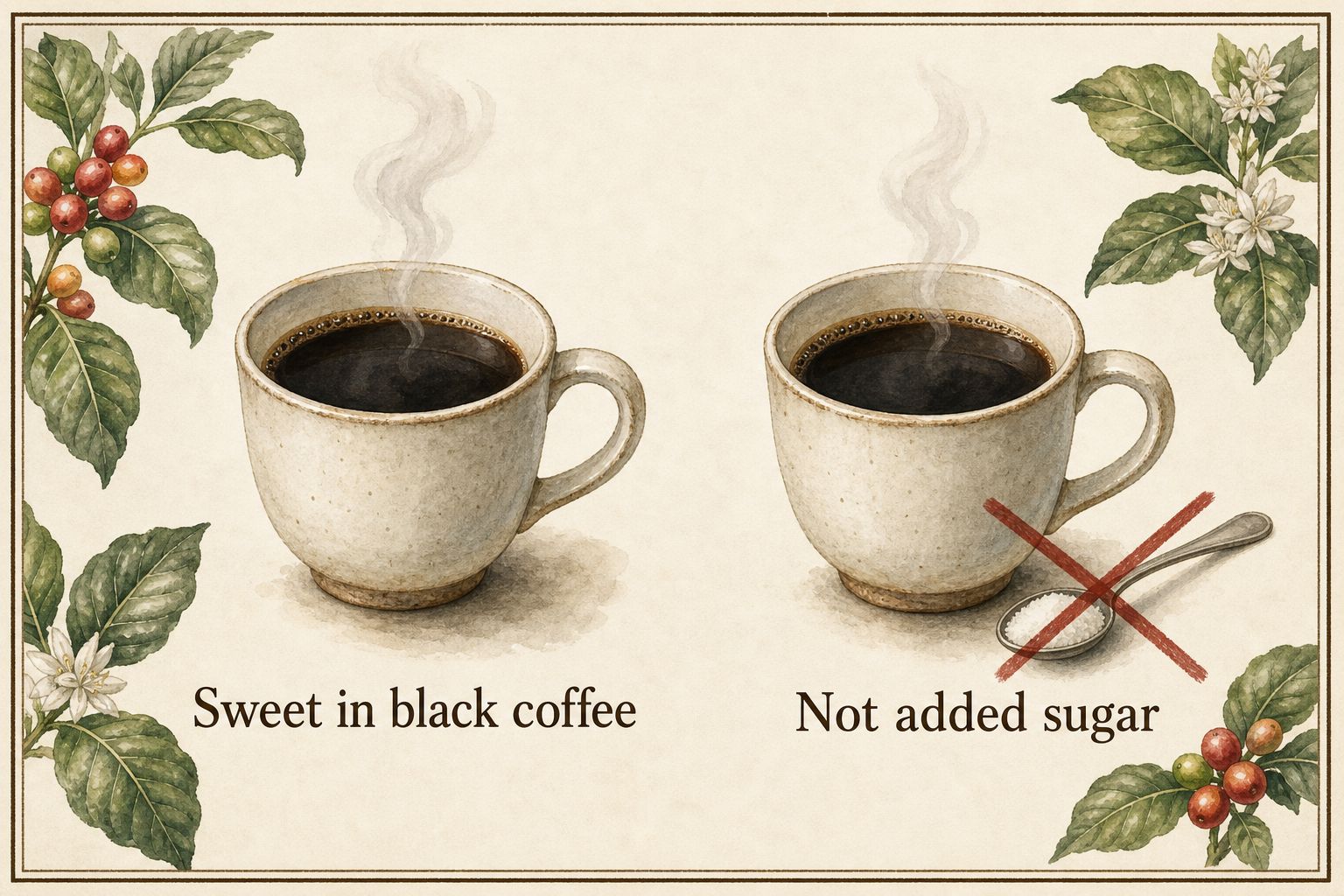
- Why Coffee Tastes Sweet Sweetness in black coffee is usually not added sugar, and not leftover sucrose from the green bean.